

- Key Takeaways:
- Overcoming e-commerce order fulfillment challenges requires advanced inventory synchronization across all sales channels.
- Automation drastically reduces order processing bottlenecks, driving higher throughput.
- Transparency in tracking and seamless returns management build robust B2B and B2C brand loyalty.
- Leveraging platforms like PointNXT ensures scalable operations even during demand spikes.
Welcome to the dynamic and ever-evolving world of e-commerce, where efficient order fulfillment is not just a necessity but the core of success. In this highly competitive realm, businesses, regardless of their size, encounter distinct challenges in order management. Recognizing these hurdles, PointNXT emerges as a beacon of innovation. As a multi-channel order management platform, PointNXT is designed to tackle the common challenges of e-commerce fulfillment head-on. This comprehensive guide aims to delve deeply into the top five challenges in e-commerce order fulfillment, providing unparalleled insights, strategic depth, and practical frameworks, alongside PointNXT’s capabilities, to transform these obstacles into avenues for profound growth and enhanced customer experience.
The Evolution of E-Commerce and Its Impact on Order Fulfillment
The landscape of e-commerce has undergone a seismic shift, fundamentally altering how businesses manage supply chains, logistics, and customer expectations. This rapid evolution has not only expanded the digital marketplace but also significantly altered consumer and B2B buyer expectations. Today, customers demand more than just products; they seek a seamless, swift, and highly transparent purchasing experience backed by real-time data. This monumental shift has brought complex order fulfillment needs to the forefront, such as expedited shipping, meticulous inventory management, and personalized, context-aware customer experiences.
Furthermore, the emergence of omnichannel retailing has added another massive layer of complexity, requiring businesses to synchronize their online and offline fulfillment strategies seamlessly. Retailers must now orchestrate inventory across distribution centers, physical stores acting as micro-fulfillment centers, and third-party logistics (3PL) partners. In B2B e-commerce, the stakes are even higher. Bulk orders, multi-location shipping, complex pricing tiers, and strict compliance requirements mean that an error in fulfillment can result in massive financial losses and irreparably damaged vendor relationships. As companies transition from traditional, analog purchasing methods to digital procurement portals, their expectation for speed and accuracy mirrors that of top-tier B2C consumers, yet the operational demands are exponentially more complex. Managing these intricate operations requires robust enterprise-grade platforms capable of integrating diverse data streams and providing actionable intelligence.
Understanding Customer Expectations in Online Shopping
Today’s e-commerce landscape is largely driven by relentless customer expectations. Modern consumers and enterprise buyers seek not only speed but also transparency, predictability, and immense flexibility in their online shopping experiences. Meeting these expectations is no longer an optional value-add; it is imperative for customer retention and long-term brand loyalty. According to industry reports, a significant percentage of buyers [METRIC_NEEDED] will abandon a supplier after just one poor fulfillment experience. This leaves virtually no room for error in the modern logistics landscape.
Businesses that fail to profoundly align their order fulfillment processes with these escalating expectations face the severe risk of falling behind in the highly competitive digital marketplace. Transparency means providing hyper-accurate delivery windows, real-time geographic tracking, and proactive communication in case of inevitable logistical delays. Flexibility involves offering multiple shipping options—such as next-day, two-day, or eco-friendly consolidated shipping—as well as easy, frictionless returns, and adaptable order modification capabilities prior to dispatch. When businesses consistently deliver on these promises, they forge a deep-seated trust that translates directly into higher lifetime value (LTV) and organic advocacy.
The Importance of Scalability in E-Commerce Operations
E-commerce businesses must be technologically and operationally equipped to scale their operations efficiently. This scalability is absolutely crucial in managing the unpredictable ebb and flow of order volumes. An effective, resilient fulfillment strategy must adapt instantly to rapid changes in demand, whether it involves scaling up drastically during peak seasons like Black Friday and Cyber Monday, managing unexpected flash sales virality, or scaling down gracefully during slower periods to meticulously optimize operational costs.
True scalability isn't simply about brute-forcing output by adding more warehouse staff or leasing more physical space; it requires a sophisticated technological infrastructure that can elegantly handle exponentially increased transaction volumes without a hint of degradation in system performance. It means having a central nervous system—an advanced order management system (OMS)—that autonomously automates complex routing decisions, optimizes warehouse picking paths utilizing machine learning, and seamlessly integrates with a continually growing, dynamic network of third-party logistics (3PL) providers and drop-shippers. Scalability ensures that your fulfillment engine never becomes the bottleneck to your revenue growth.
Navigating E-Commerce Order Fulfillment: Overcoming Challenges with PointNXT
As ambitious businesses scale their operations, they inevitably encounter specific, structural friction points in their supply chains. Below, we explore five critical, systemic challenges in order fulfillment and comprehensively detail how the strategic integration of next-generation technology can decisively resolve them, turning logistics from a cost center into a formidable competitive advantage.
1. Inventory Management Problems: The Delicate Balance of Supply and Demand
Understanding Inventory Management Issues:
Inventory management is arguably the most critical cornerstone of successful e-commerce operations, constantly requiring a delicate balancing act between the perilous pitfalls of overstocking and understocking. Overstocking leads to massive amounts of working capital being unnecessarily tied up in stagnant goods, severely reducing financial liquidity, inflating storage costs, and potentially resulting in significant write-offs due to obsolete or expired stock. Understocking, on the other hand, is equally disastrous. It means missed revenue opportunities, damaging stockouts, deeply disappointed customers who turn to competitors, and a tarnished brand reputation that takes years to rebuild. The inherent complexity of this balancing act increases exponentially with unpredictable seasonal demand fluctuations, rapidly changing macroeconomic consumer trends, and global supply chain volatility.
In a modern multi-channel environment, maintaining hyper-accurate inventory counts is notoriously difficult and computationally demanding. When a business is generating sales simultaneously on its own direct-to-consumer website, sprawling third-party marketplaces, diverse B2B portals, and physical retail point-of-sale systems, keeping a flawless, centralized, real-time tally is absolutely essential to fundamentally prevent overselling—the cardinal sin of e-commerce that leads to canceled orders and furious customers.
Solutions with PointNXT:
PointNXT decisively addresses these deeply rooted inventory woes by offering advanced, enterprise-grade software solutions that provide granular, real-time data and predictive analytics. This unprecedented visibility enables businesses to forecast demand with radically greater accuracy, thus systematically minimizing the profound risks associated with both overstocking and understocking. PointNXT’s sophisticated architecture integrates seamlessly with your entire existing e-commerce ecosystem, offering a single source of truth and a holistic, 360-degree view of your inventory levels across all global channels and discrete storage locations.
By intelligently automating stock synchronization updates across all platforms in milliseconds and establishing dynamically adjustable low-inventory alerts, procurement teams can shift from reactive panic-buying to strategic, data-driven purchasing decisions. This deeply proactive approach ensures that capital is deployed with maximum efficiency and that crucial, high-velocity SKUs are always available to capture demand. To dive deeper into how inventory accuracy fundamentally impacts your bottom line, check out our extensive guide on optimizing inventory control.
2. Inefficient Order Processing: Breaking the Manual Bottlenecks
Order Processing Bottlenecks:
Inefficient, labor-intensive order processing, often hopelessly bogged down by well-intentioned but fundamentally flawed manual interventions, is a massive, systemic challenge in e-commerce fulfillment. This deeply ingrained inefficiency can manifest vividly as severely delayed order fulfillment cycles, drastically increased rates of human error in crucial data entry tasks, and a general, frustrating slowdown in customer service response times due to disjointed information silos. Such pervasive bottlenecks not only deeply impact internal operational efficiency and inflate labor costs but also profoundly and negatively affect the end customer’s satisfaction, eroding trust with every delayed notification.
When complex orders—especially in the B2B space with custom configurations and specialized compliance requirements—are processed manually, employees must laboriously verify payment statuses across disparate systems, physically or digitally check stock in multiple unlinked databases, manually generate shipping labels subject to typos, and individually update the customer. As overall order volume scales, this fragile, manual workflow inevitably fractures and breaks down, leading to a massive, unmanageable backlog and a surge in costly errors. A single misrouted enterprise package or a critically delayed component shipment can severely damage a brand's hard-earned reputation and result in lost contracts worth millions.
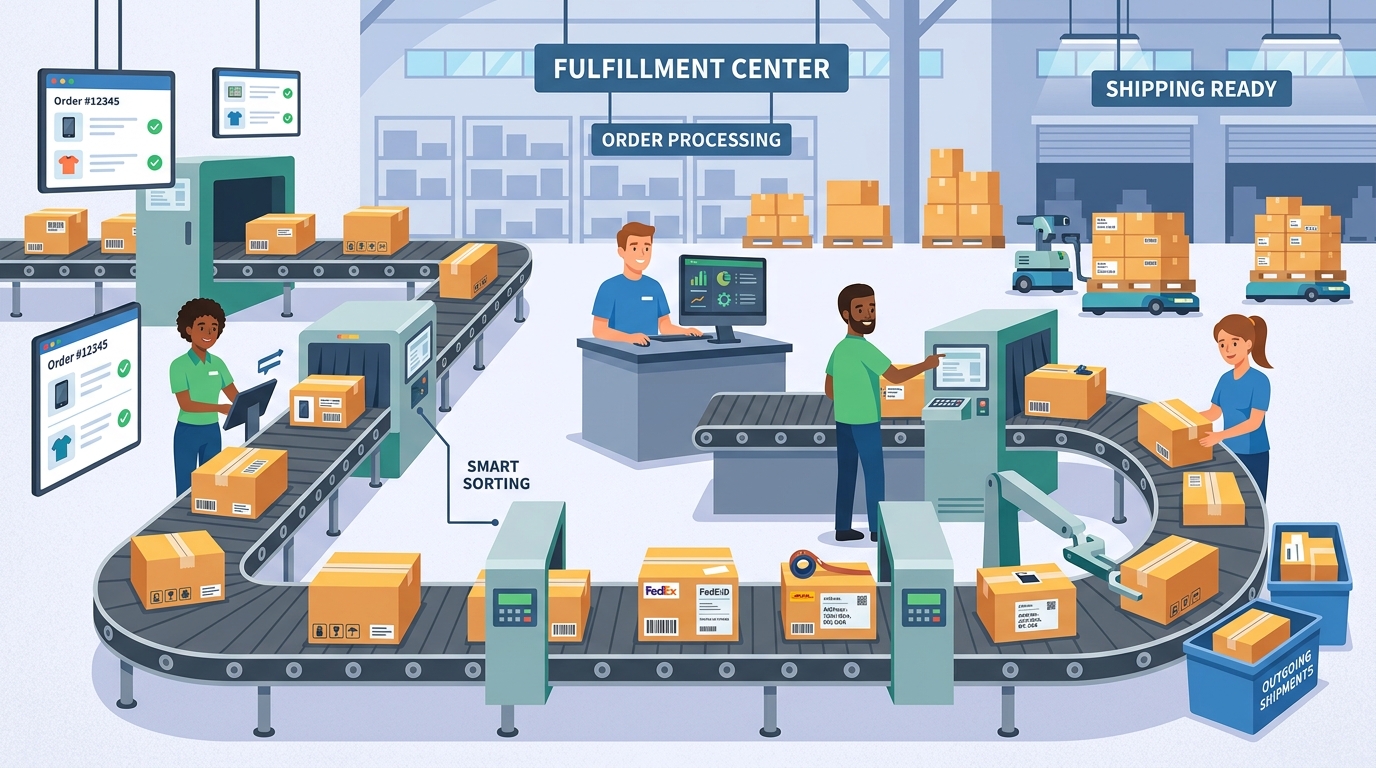
PointNXT’s Role in Automating Order Fulfillment:
PointNXT fundamentally transforms order processing by aggressively automating the entire lifecycle workflow from checkout to doorstep. From instantaneously updating global inventory levels the moment a transaction clears to intelligently processing and routing orders across various channels based on predefined business rules, it systematically eradicates the need for manual intervention, thereby drastically minimizing human errors and exponentially speeding up the entire fulfillment timeline. Its sophisticated, AI-driven routing engine can even proactively predict and instantly adjust to dramatic changes in macro order volume, ensuring a flawlessly smooth operation regardless of external pressures.
This deep automation ensures that incoming orders are instantly and flawlessly routed to the absolute optimal fulfillment center or 3PL node based on an intricate matrix of proximity to the final customer, current stock levels, carrier capacity, and real-time shipping costs, significantly reducing overall transit times and dramatically slashing shipping expenditures. Learn more about the profound impact of algorithmic logistics in our advanced order routing overview.
3. Lack of Real-Time Order Tracking: The Absolute Need for Radical Transparency
The Need for Transparency:
The modern e-commerce customer, heavily conditioned by the logistical prowess of industry titans, expects not just blisteringly quick deliveries but also total, uncompromised transparency throughout the entire order fulfillment process. The glaring absence of granular, real-time order tracking can swiftly lead to severe customer anxiety, endless "Where is my order?" (WISMO) support tickets, and deep dissatisfaction, profoundly impacting long-term brand loyalty. Effective, proactive tracking systems are absolutely no longer a premium luxury but a baseline operational necessity in the modern e-commerce arena.
For high-value B2B clients, this tracking visibility is even more mission-critical. They rely completely on predictable, precisely scheduled deliveries to flawlessly manage their own complex manufacturing processes, precisely time marketing campaigns, or manage tight retail floor inventory. A lack of real-time logistical visibility can severely disrupt their own downstream operations, forcing them to absorb tremendous costs and ultimately leading them to seek out more technologically capable and reliable supply chain partners.
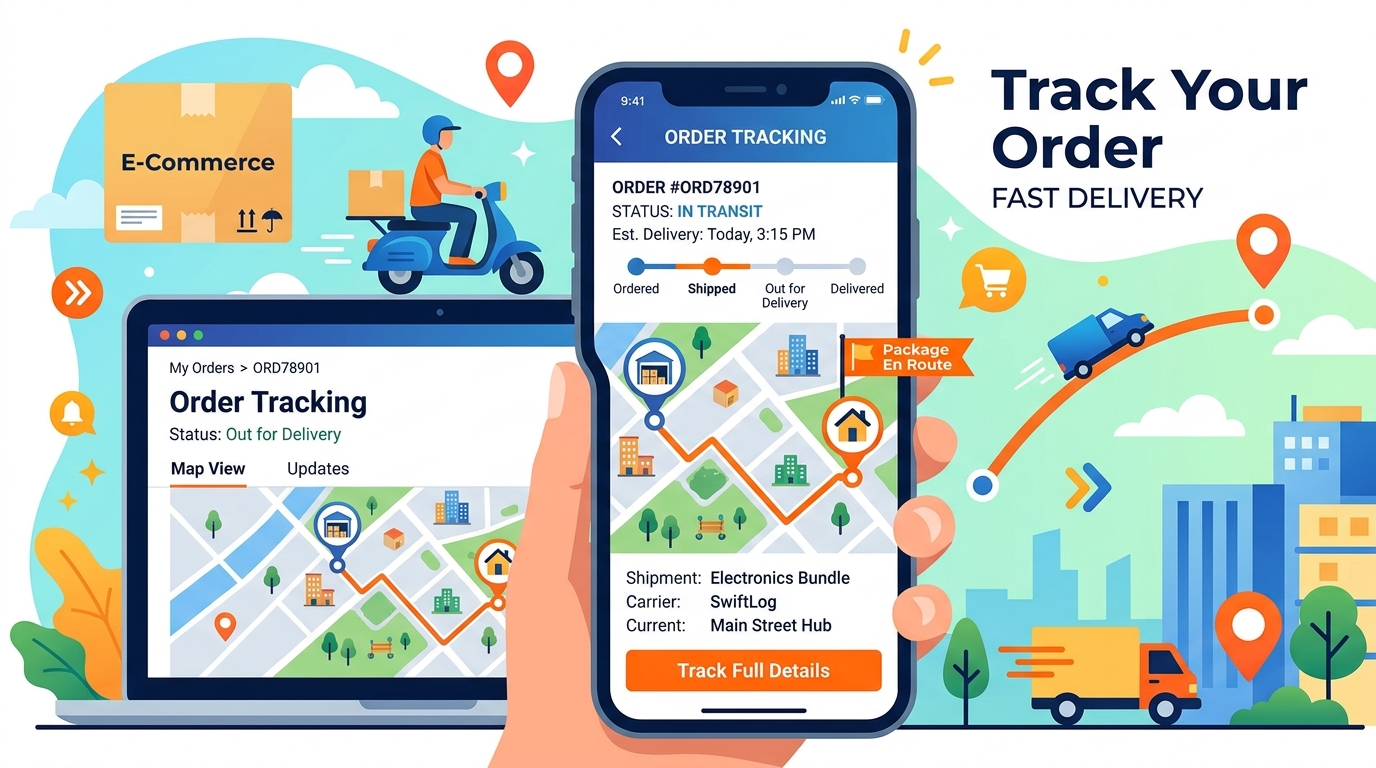
"Visibility is the absolute new currency of modern logistics. If you cannot proactively show your customer exactly where their high-value product is at any given micro-moment, you are already losing market share to tech-forward competitors who can provide that radical transparency."
Enhancing Tracking with PointNXT:
PointNXT comprehensively addresses this critical need by deeply integrating advanced, real-time tracking systems via robust APIs with a vast network of major global and regional carriers. These sophisticated systems proactively provide customers with hyper-accurate, up-to-the-minute status updates about their orders via SMS, email, and branded portals, thereby massively enhancing the overall post-purchase shopping experience and drastically reducing the burden on customer support teams. The platform’s exceptionally user-friendly interface allows customers to track their critical orders effortlessly, fostering deep trust and encouraging repeat business.
4. Handling Customer Returns Effectively: Mastering Reverse Logistics
Importance of Customer Returns Management:
Returns are an entirely inevitable and significant part of e-commerce, and precisely how a business architecturally manages these returns can profoundly impact customer loyalty, lifetime value, and the brand’s overall market reputation. The immense operational challenges include efficiently processing inbound returns, managing the complex, often chaotic logistics of reverse shipping, rigorously inspecting items for damage, and rapidly restocking viable returned items into available inventory. A cumbersome, opaque, or punitive returns process can decisively discourage customers from ever making future purchases.
In fact, industry data consistently shows that [METRIC_NEEDED] of consumers meticulously check a store's return policy before finalizing a purchase. A convoluted, difficult-to-navigate process signals poor customer service and a lack of confidence in the product. Furthermore, grossly inefficient reverse logistics can result in massive piles of returned inventory sitting idle in processing centers, rapidly depreciating in value instead of being quickly refurbished, liquidated, or restocked for profitable resale.
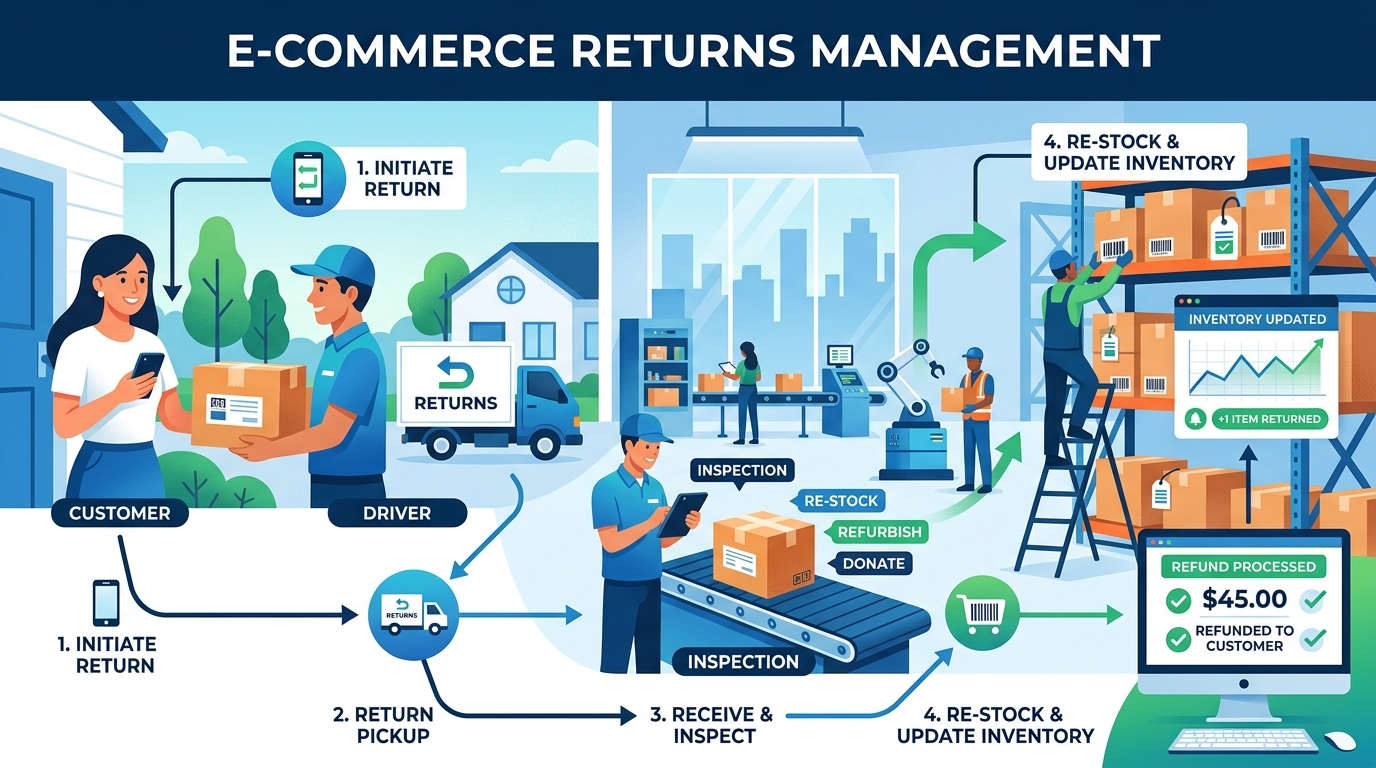
PointNXT’s Approach to Reverse Logistics:
PointNXT fundamentally simplifies and optimizes the complex world of reverse logistics by offering robust, end-to-end return management systems. These sophisticated systems elegantly streamline the entire convoluted process of handling, routing, inspecting, and restocking returned items, making it as seamless and hassle-free as possible for both the internal warehouse operations team and the end customer. Clear, automated return policies and intuitive, self-service return portals are deeply integral to this system, transforming a traditional pain point into a powerful driver of customer retention.
We provide incredibly deep insights into architecting a highly profitable and seamless return flow in our comprehensive mastering reverse logistics article.
5. Ensuring Timely Delivery and Deep Supply Chain Optimization
Delivery Delays and Supply Chain Challenges:
Consistently timely delivery is absolutely critical in maintaining customer satisfaction and trust in the hyper-fast-paced world of global e-commerce. Delivery delays, whether caused by massive geopolitical supply chain disruptions, localized logistical inefficiencies, severe weather events, or other unforeseen macroeconomic circumstances, can severely and permanently impact customer loyalty. Additionally, a deeply optimized, resilient supply chain is crucial for maintaining consistent, high-tier service levels and aggressively managing spiraling operational costs.
Modern global supply chains are inherently fragile and vulnerable to a myriad of external shocks and capacity constraints. Relying exclusively on a single primary carrier or consolidating all operations into a single massive fulfillment node drastically increases existential operational risk. Strategic diversification, geographic distribution, and profound systemic agility are the absolute keys to consistently maintaining aggressive service level agreements (SLAs) in the face of inevitable disruptions.
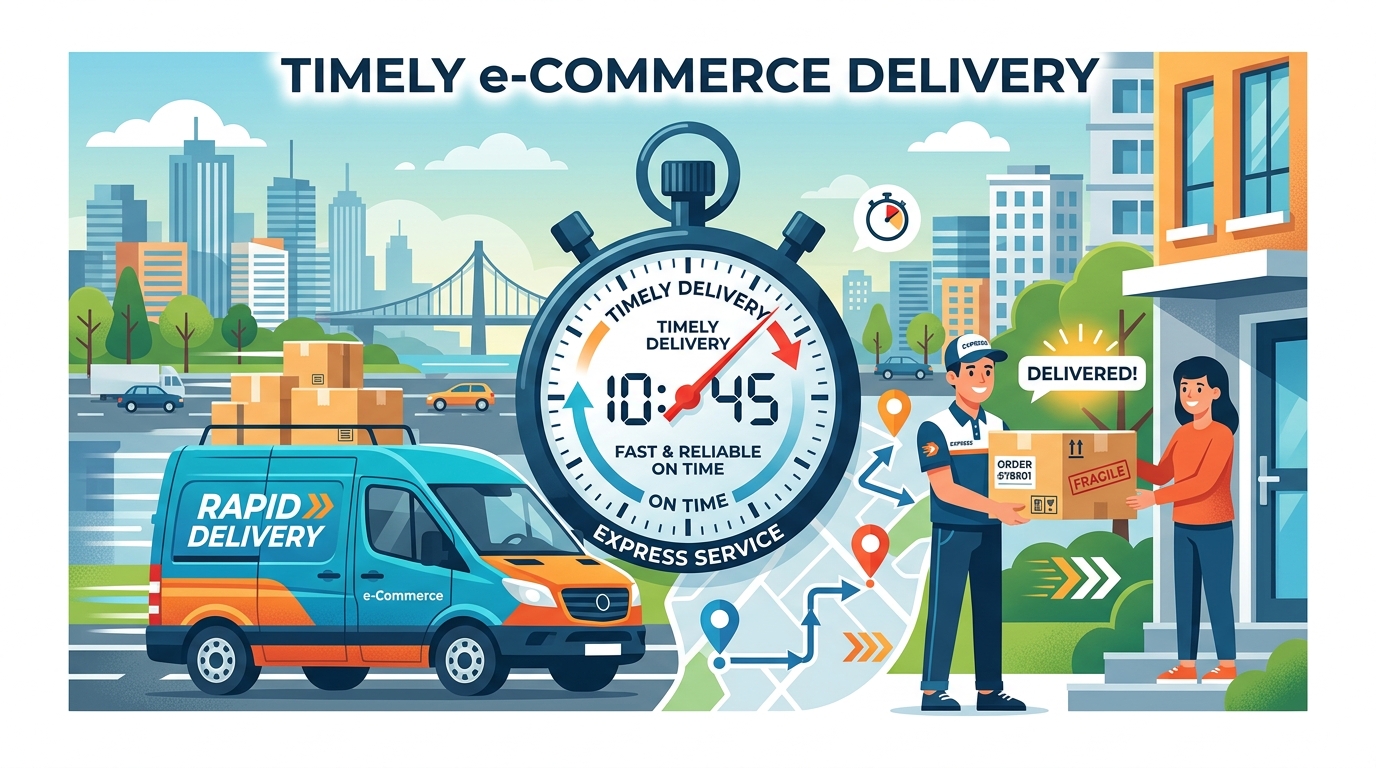
PointNXT’s Role in Enhancing Delivery and Supply Chain:
By intelligently partnering with a vast, diversified network of top-tier third-party logistics services, PointNXT aggressively helps enterprise businesses overcome complex delivery challenges and deeply optimize the entire end-to-end supply chain. By powerfully leveraging its deep algorithmic expertise in advanced logistics management, it mathematically ensures timely deliveries and highly efficient supply chain operations, which are absolutely vital for maintaining peak customer satisfaction and driving aggressive, sustainable business growth.
Platform Comparison: Legacy Manual Processing vs. PointNXT Automation
| Critical Operational Feature / Process | Legacy Manual Operations | PointNXT Intelligent Automation |
|---|---|---|
| Omnichannel Inventory Synchronization | Slow batch processing, highly error-prone, frequent stockouts | Continuous, real-time synchronization across all global sales channels |
| Intelligent Order Routing & Allocation | Manual, subjective assignment by warehouse staff leading to delays | Advanced algorithmic routing based on lowest cost and nearest proximity |
| Customer Tracking Updates & Visibility | Severely delayed, relies heavily on manual data entry and batch uploads | Instantaneous, API-driven carrier integrations with proactive alerts |
| Operational Scalability & Elasticity | Requires massive, linear increases in permanent or temporary headcount | Seamlessly handles [METRIC_NEEDED] order volume spikes with zero degradation |
Conclusion: Empowering Your Supply Chain for the Future
Navigating the immense complexities of modern e-commerce order fulfillment is a daunting, high-stakes task that absolutely requires a deeply strategic, technologically advanced, and well-rounded approach. This is exactly where PointNXT, functioning as a premier, enterprise-grade multi-channel order management platform, plays a fundamentally pivotal role. By comprehensively and elegantly addressing the most common, painful challenges such as fragmented inventory management, manual order processing inefficiencies, the damaging lack of real-time tracking, complex customer returns, and ensuring consistently timely delivery, PointNXT empowers ambitious businesses to radically optimize their entire fulfillment ecosystem. With its cutting-edge, scalable technology architecture and exceptionally user-friendly interface, PointNXT is not merely a software solution; it’s a powerful, systemic catalyst for explosive growth, operational excellence, and unmatched customer satisfaction in the incredibly demanding B2B and B2C e-commerce landscape.
Frequently Asked Questions
What are the most common e-commerce order fulfillment challenges?
The most common and disruptive challenges include highly inaccurate inventory management across channels, deeply inefficient manual order processing workflows, a critical lack of real-time order tracking for customers, complex and costly returns management processes, and unpredictable supply chain delays.
How does enterprise automation improve order fulfillment?
Advanced automation aggressively minimizes manual data entry errors, dramatically accelerates intelligent order routing, provides instantaneous real-time inventory updates, and mathematically ensures that customers receive proactive tracking information, leading to exponentially higher operational efficiency and customer satisfaction.
Why is technological scalability crucially important in modern fulfillment?
Technological scalability ensures that a business can flawlessly handle massive, sudden spikes in order volume (such as during major holidays, viral marketing events, or flash sales) without ever degrading the end-customer experience or requiring a crippling, temporary increase in manual warehouse labor.